


Wondering Whether You Are Too Old to Begin?
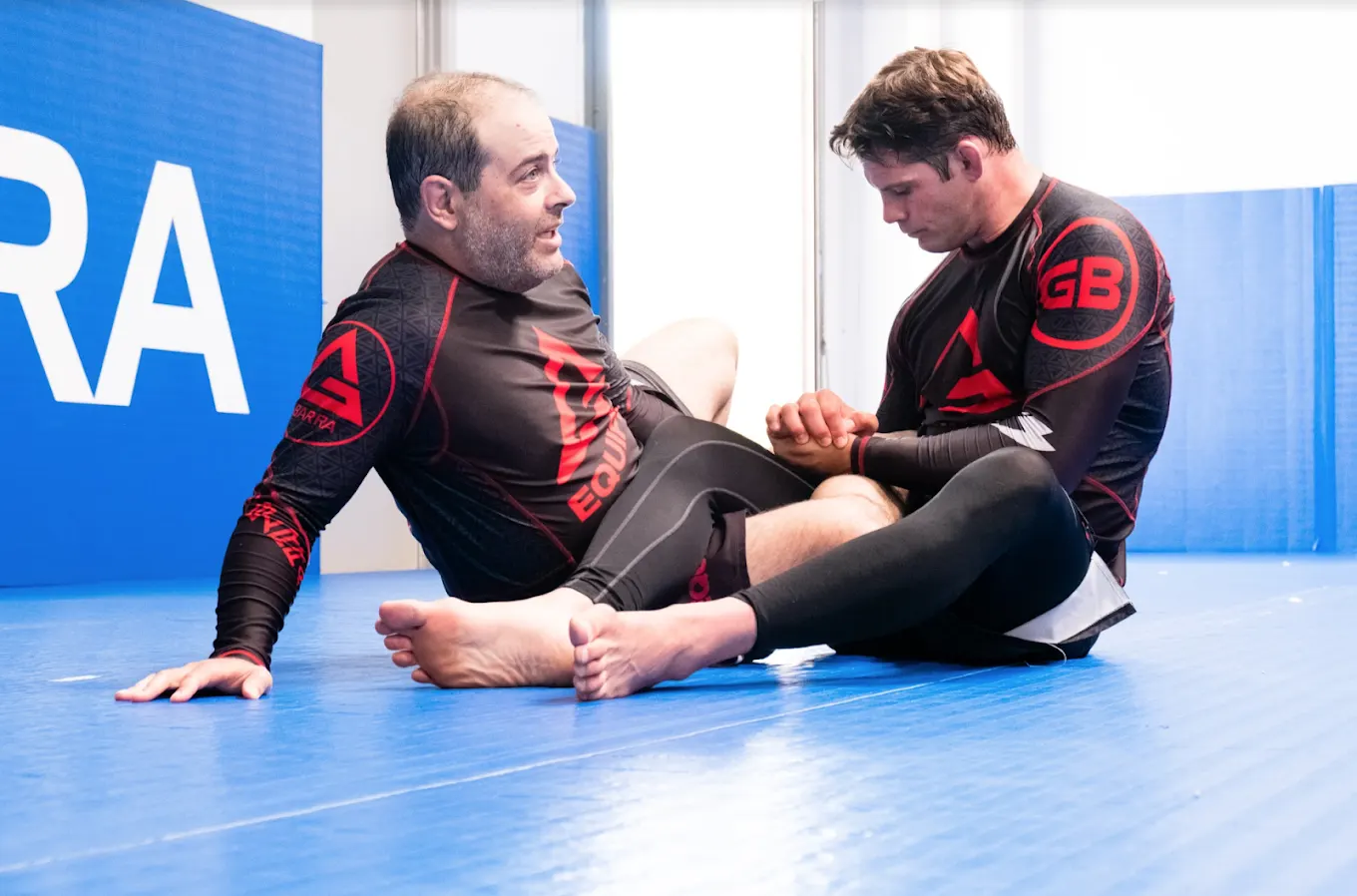
Starting BJJ after 40 can bring up a question that has little to do with learning a new activity: “Will I be the only beginner my age?” You might also wonder whether you need to get in shape first or keep up with someone who has trained for years. Those concerns deserve a straightforward answer. You can approach a first class as a beginner, with questions and goals of your own.
At Gracie Barra North Phoenix, the useful first step is to ask about the current adult classes and explain what you hope to get from training. You do not have to present yourself as a future competitor or pretend to know how Jiu-Jitsu works. The five points below can help you decide what to ask and how to judge the experience for yourself.
DISCOVER Gracie Barra North Phoenix
CLICK HERE1. Your First Class Is a Starting Point
No one needs you to understand every instruction before you arrive. A first BJJ class is a chance to become familiar with the setting, hear how an exercise is explained, and notice what questions come up. If you miss a detail, ask for it again. That is a normal part of learning something unfamiliar.
It helps to separate the experience of being new from a judgment about your age. A younger beginner can also feel awkward, forget instructions, or wonder where to stand. What matters on your first visit is whether you can follow the guidance available and feel comfortable asking for clarification. The academy’s beginner training guide offers a closer look at starting out.
2. You Can Name Your Own Reason for Training
Perhaps you want a regular activity that holds your attention. Perhaps you have been curious about Jiu-Jitsu for years and finally have room for it in your schedule. Those are enough reasons to ask about a class. You do not need a dramatic story about changing your life.
Tournaments are one possible goal
Some students enjoy working toward a competition; others prefer to learn through regular classes. You can say which option interests you, or that you have not decided. If tournaments do become appealing later, the academy has information about competition training. There is no need to make that decision before your first visit.
Being clear about your goals also helps you ask better questions. Instead of asking whether you are “fit enough” in the abstract, ask what a newcomer can expect from a particular class and how to communicate when an exercise is unclear. The answers will tell you more about the experience you are considering.
3. A Useful Pace Begins With Clear Questions
“Go at your own pace” sounds reassuring, but it helps to know what that means during a real class. Before joining, ask how beginners receive instructions and what to do if you need an exercise explained again. During practice, pay attention to whether you understand the task before worrying about doing it quickly.
If you train with a partner, a short check-in can make the exercise easier to follow for both people. Ask what you are meant to practice and speak up if you lose track of a step. You are sharing an activity, not taking an exam. You can also ask the instructor which part to focus on first rather than trying to remember everything at once.
Progress does not need a deadline
It can be tempting to measure your first few classes against someone who has already spent months or years learning. That comparison tells you little about your own starting point. A more useful observation is whether something that confused you last week makes a little more sense now.
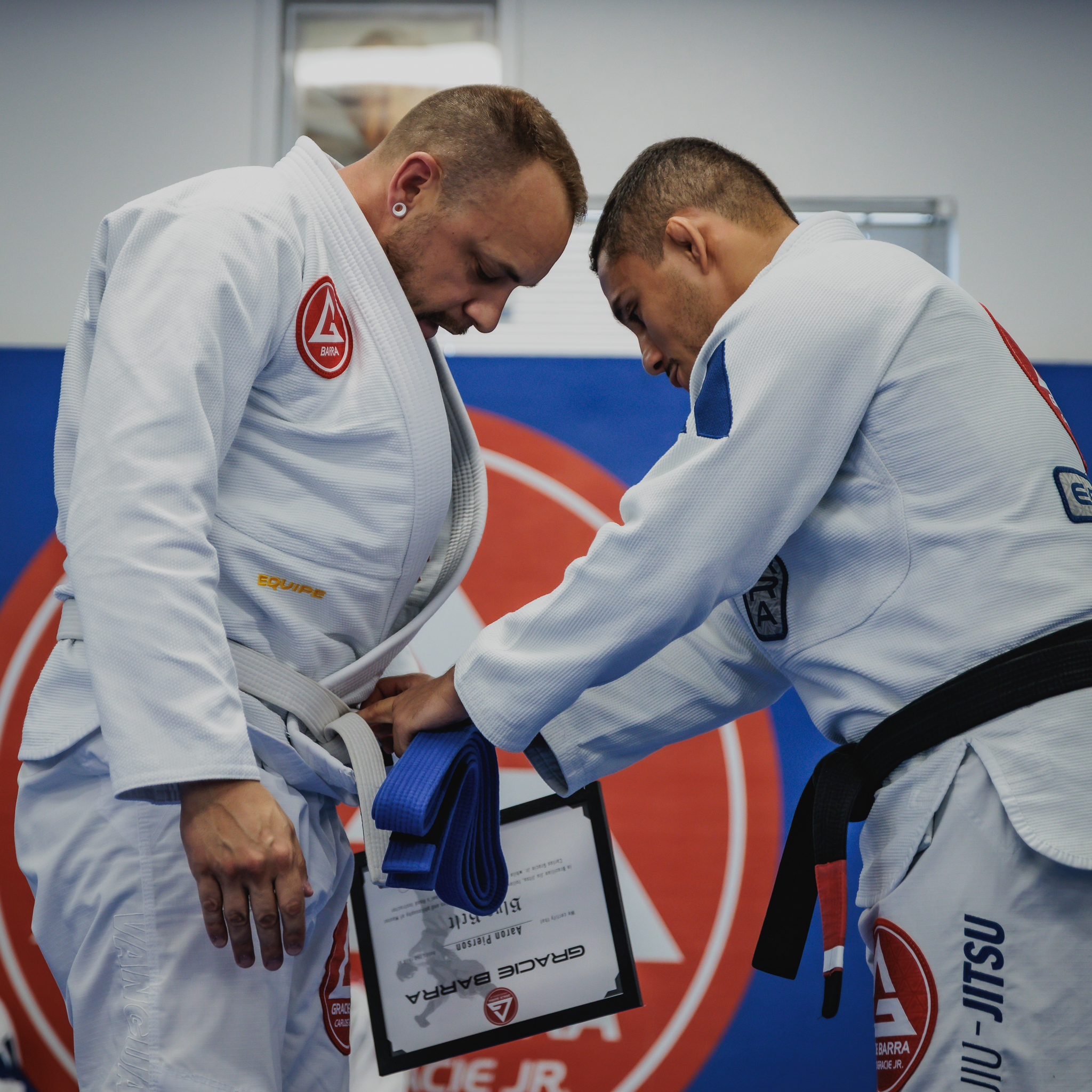
If you wonder how longer-term milestones work, the academy’s explanation of belt progression provides context. You can learn about those milestones without turning them into a deadline for your first month.
4. Your Schedule Matters as Much as Your Interest
Beginning an activity is easier to consider when you know where it fits in your week. Look at the current class schedule and think about the time you would need to get there, participate, and return home. A class that sounds exciting but is difficult to attend regularly may require a different plan.
This is one reason to ask Gracie Barra North Phoenix about its current options rather than planning around an old listing or someone else’s routine. You can explain when you are available and ask which adult class is appropriate for a new student. A realistic starting plan is more useful than promising yourself an ambitious schedule before you have visited.
5. You Are Allowed to Decide After Experiencing It
You do not have to decide whether BJJ is “for you” from a description alone. Notice how the first class feels as a learning experience: Were the instructions clear? Did you feel able to ask a question? Are you interested in returning to understand more? Your answer may be an immediate yes, an uncertain maybe, or no.
Give yourself a useful question afterward
Instead of asking whether you performed well, ask what you would want to learn or clarify next time. That shifts attention from trying to impress anyone to deciding whether the activity interests you. If a concern remains, contact the academy and ask about it directly before choosing your next class.
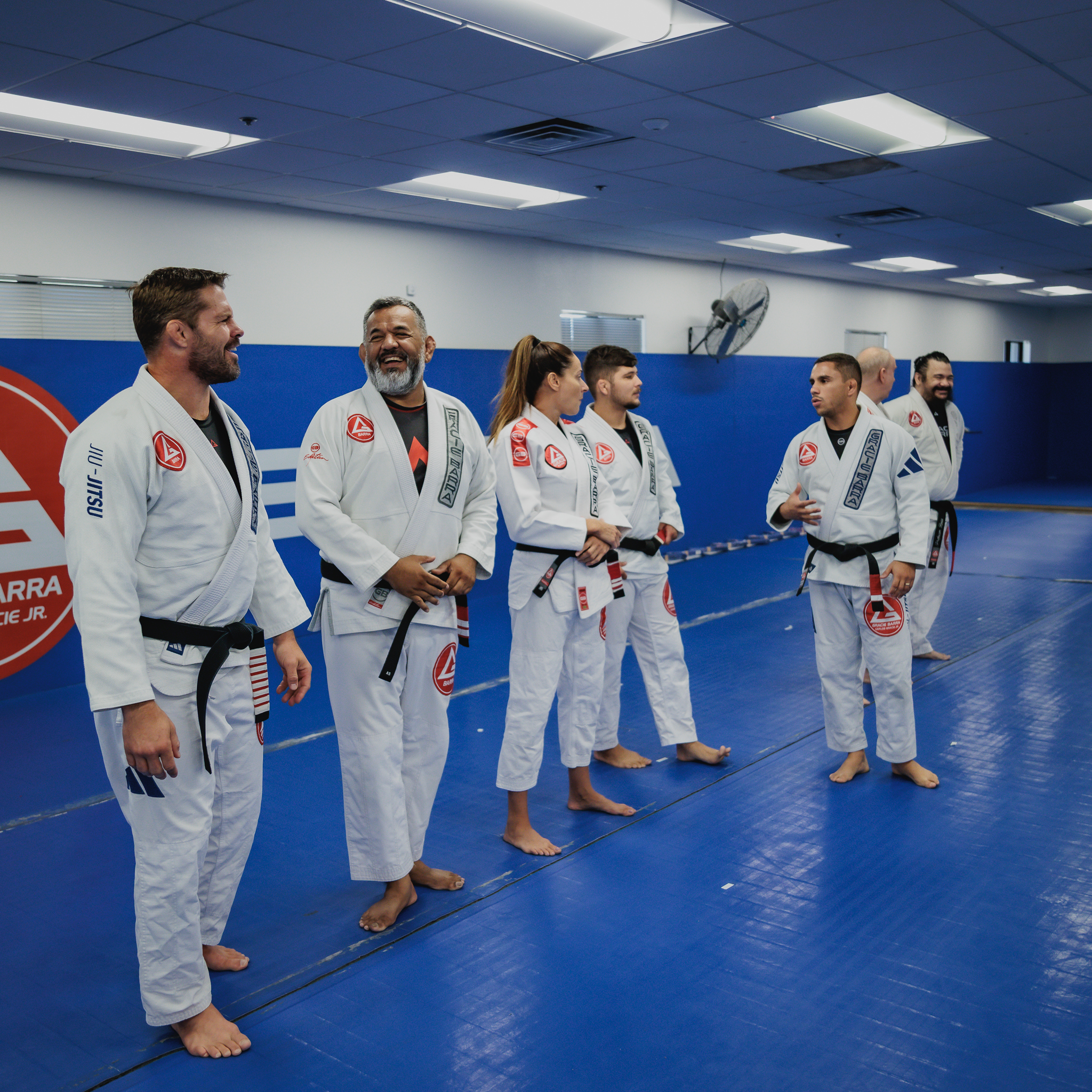
Adults arrive with different backgrounds, schedules, and reasons for trying Jiu-Jitsu. The academy’s adult training article describes some of those motivations. Your own reason may be simpler, and it is still a good reason to explore a class.
Start With Curiosity, Then Make Your Choice
Starting BJJ after 40 does not require you to arrive with previous experience, a tournament goal, or a perfect training plan. It calls for the same first step any beginner takes: finding out what a class involves and asking whether you would like to learn more.
If you are curious, contact Gracie Barra North Phoenix about its current adult classes. Bring your practical questions and give yourself room to decide after you have the information you need.