


Foundational Strategy Behind Positional Hierarchy
Mastering the most effective brazilian jiu jitsu positions gives practitioners a decisive mechanical advantage regardless of body size or athletic strength. Dedicated students in North Phoenix study these foundational positions to control ground encounters.
Understanding how positional hierarchy dictates leverage transforms chaotic grappling exchanges into structured tactical sequences. Training consistently at our official martial arts academy equips practitioners with clear technical frameworks for every major mat scenario.
DISCOVER GRACIE BARRA NORTH PHOENIX
CLICK HEREDominant Control in the Most Effective Brazilian Jiu Jitsu Positions
Top control positions allow practitioners to use gravity, hip pressure, and chest weight to neutralize an opponent's explosive movements while systematically setting up high-percentage submissions and clean positional advancements.
Back Control and Rear Dominance
Securing back control places you behind an opponent's defensive reach, eliminating their ability to strike or generate meaningful forward momentum while exposing their neck and upper limbs to immediate submission threats.
Establishing tight seatbelt grips and active leg hooks prevents the bottom practitioner from turning into your chest. Coaches emphasize maintaining head-to-head alignment so your partner cannot escape their shoulders flat to the floor.
Full Mount and Gravitational Pressure
Achieving the full mount positions your hips directly over your opponent's torso, limiting their hip mobility and forcing them to carry your full body weight across their chest during defensive attempts.
Effective mount maintenance relies on widening your knees, sliding your heels tight against their hips, and isolating one arm overhead. This balanced posture prevents bridging escapes while opening clear pathways for collar chokes.
Side Control and Upper-Body Pinning
Side control immobilizes an opponent perpendicular to your torso, utilizing cross-face shoulder pressure and near-side hip blocking to prevent them from recovering their guard or turning onto their side safely.
By distributing chest weight directly across the sternum rather than resting knees on the mat, top practitioners create suffocating pressure. Instructors teach subtle hip switches to counter bridging attempts without sacrificing upper-body control.
Knee on Belly Mobility and Transitions
Knee on belly applies concentrated downward pressure across the opponent's midsection while keeping your base mobile, allowing rapid directional adjustments whenever the bottom player attempts to turn away or push your knee.
This dynamic pinning position forces immediate defensive reactions from the bottom player, frequently causing them to expose their arms or turn their back, which creates effortless transitions into mount or armbar attacks.
Defensive and Offensive Guard Systems
When operating from underneath an opponent, structured guard systems transform the bottom position from a vulnerable disadvantage into an active offensive platform built on leg leverage, hip angles, and grip control.
Closed Guard Posture Breaking
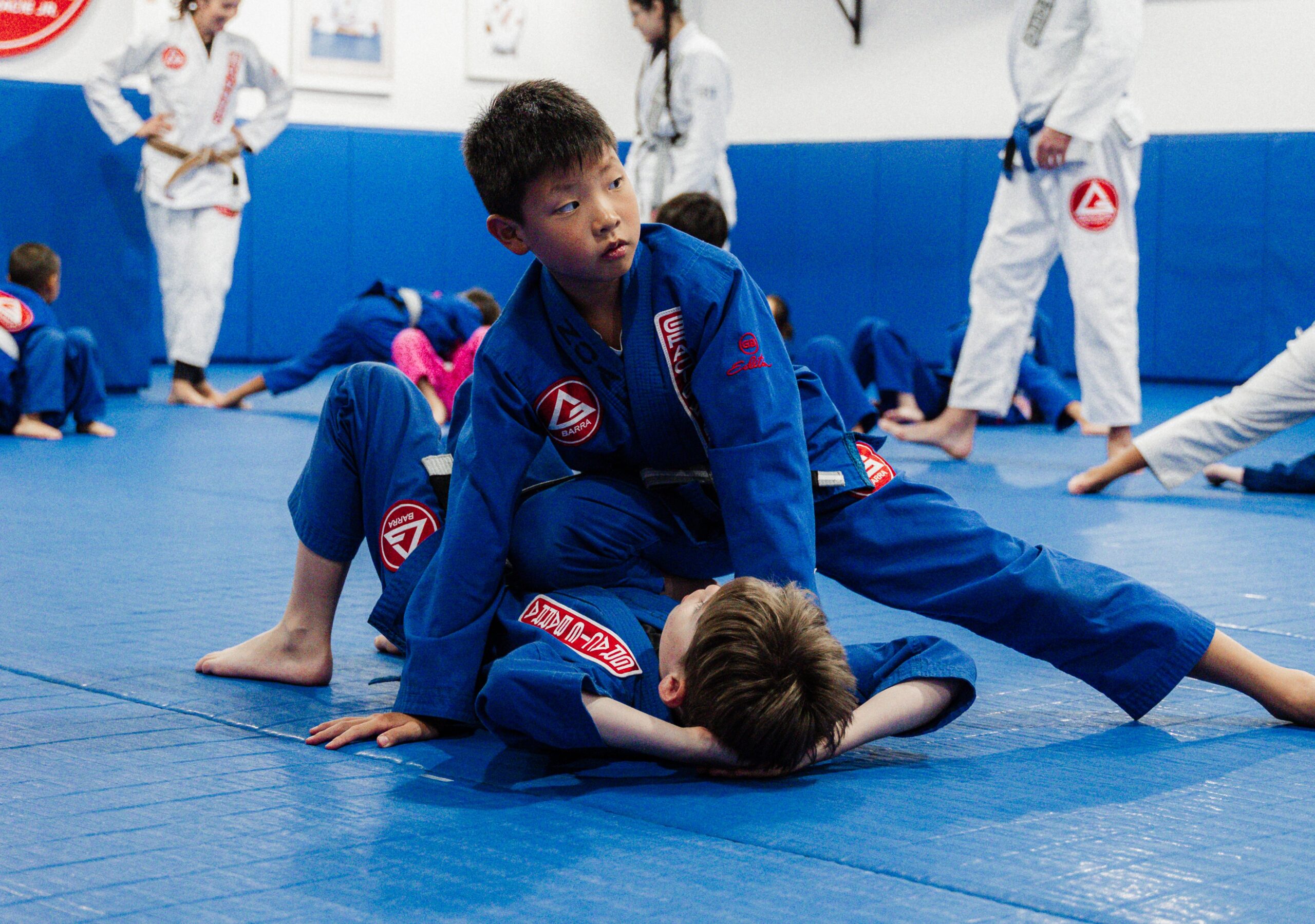
Closed guard wraps your legs securely around an opponent's waist, restricting their posture and preventing them from landing effective strikes or initiating fast passing sequences while keeping your spine protected on the mat.
Breaking the top player's posture requires coordinating rhythmic leg pulls with firm collar and sleeve grips. Coaches emphasize off-balancing your partner diagonally to open clean angles for sweeps, triangle chokes, and hip-bump attacks.
Half Guard Sweeps and Underhook Battles
Half guard entangles one of the opponent's legs between both of yours, slowing down heavy passing pressure while giving the bottom practitioner direct access to the opponent's hips and base.
Winning the inside underhook battle allows you to rise onto your side, protect your head from cross-face pressure, and sweep your partner backward or transition smoothly onto a single-leg takedown finish.
Open Guard Distance Management
Open guard utilizes active foot placement on the opponent's hips, biceps, and shoulders to manage distance dynamically, preventing aggressive passers from closing chest-to-chest contact or flattening your back onto the training floor.
Maintaining constant tension through four points of contact enables smooth transitions between spider, lasso, and butterfly configurations. Instructors guide students in rotating their hips continuously so their feet always remain aligned between bodies.
Biomechanical Principles That Maximize Positional Efficiency
Executing the most effective brazilian jiu jitsu positions requires far more than memorizing static checkpoints; practitioners must understand the underlying biomechanical principles that make every pin, guard, and transition structurally stable.
Center-of-Gravity Alignment and Base
Maintaining a low center of gravity anchors your weight firmly to the mat, making it substantially harder for an opponent to elevate your hips, disrupt your balance, or initiate sudden reversal sweeps.
Spreading your points of support across wide angles creates a stable geometric base against directional pushing forces. Adjusting your base proactively in response to weight shifts keeps your posture intact throughout fast exchanges.
Framing and Wedge Creation
Structural framing uses forearms, shins, and elbows as rigid bone wedges to support heavy external weight without fatiguing your primary muscle groups during prolonged defensive exchanges against larger training partners.
Placing wedges precisely inside open spaces blocks an opponent's hip advancement and preserves vital breathing room. This skeletal alignment allows bottom practitioners to reset their hips calmly before initiating counter-offense.
Sequential Transitions and Submission Chains
Connecting multiple positions in logical sequences overwhelms an opponent's defensive reactions, because countering your initial movement naturally exposes them to your secondary positional transition or primary submission setup.
Instead of forcing a single isolated technique against stiff resistance, skilled grapplers flow smoothly from side control to mount or back control, capitalizing on the exact momentum created by their partner's escape attempt.
Practical Training Guidelines for Positional Mastery
To internalize the most effective brazilian jiu jitsu positions, focus on holding dominant control checkpoints for several seconds before chasing submissions, ensuring your weight distribution and grips remain completely secure.
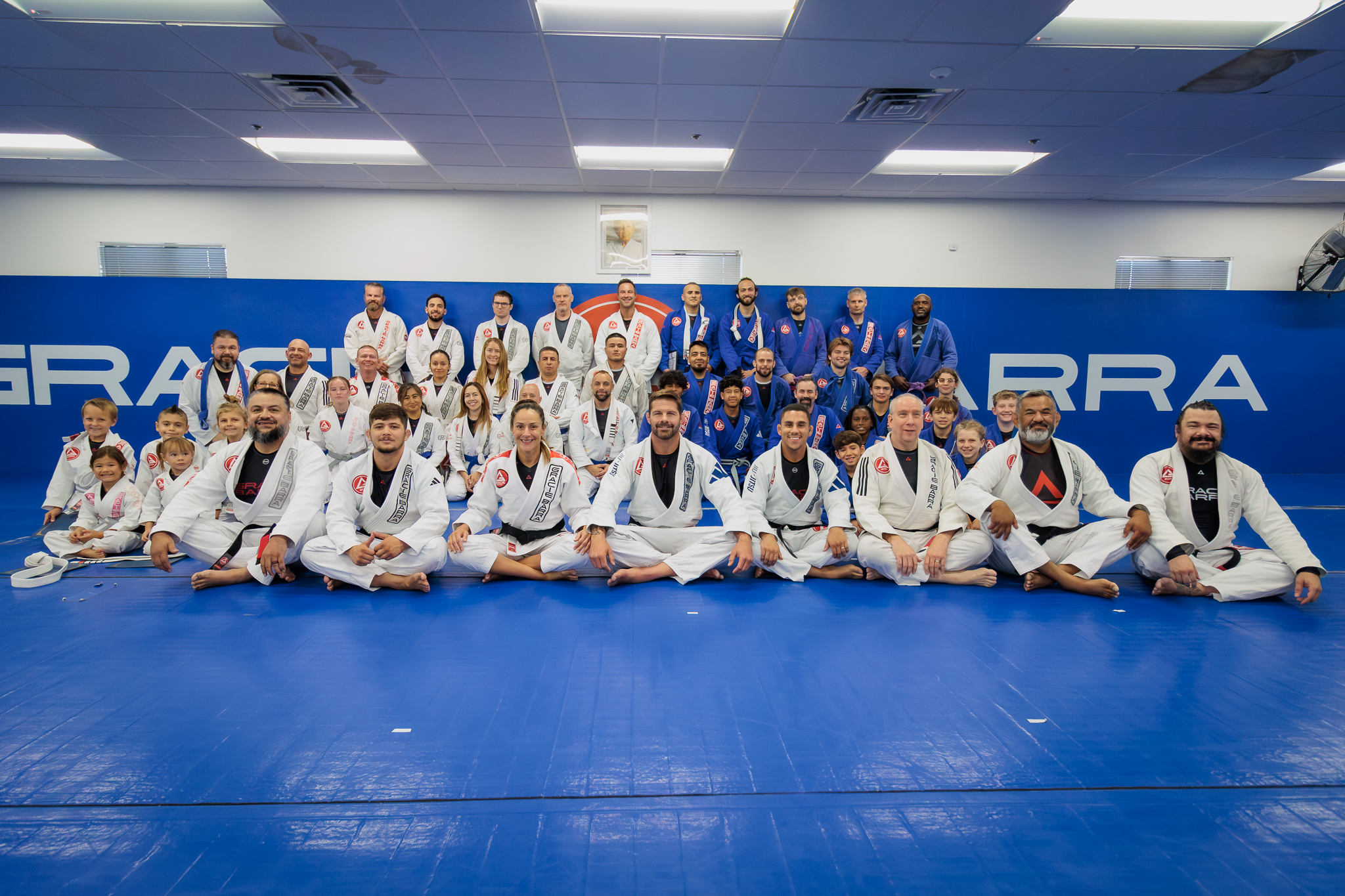
At Gracie Barra North Phoenix, instructors emphasize positional sparring drills that isolate specific control scenarios, helping students build real-time sensitivity to balance shifts and develop reliable technical habits safely.
Building a Complete Positional Game Plan
Developing fluency across both top pinning systems and bottom guard configurations creates a balanced grappling game, empowering you to dictate the pace and location of any ground exchange with calm confidence.
Practitioners looking to deepen their conceptual understanding of leverage, positional transitions, and training methodology can explore our educational articles archive for detailed technical guides and structured mat insights.
DISCOVER GRACIE BARRA NORTH PHOENIX
CLICK HEREAdvancing Your Positional Control on the Mat
Refining the most effective brazilian jiu jitsu positions transforms raw physical effort into effortless mechanical control, offering students across North Phoenix a dependable foundation for personal defense and lifelong martial growth.
We warmly invite residents of Phoenix, Glendale, Scottsdale, and neighboring communities to visit Gracie Barra North Phoenix, meet our certified coaches, and schedule an introductory class on our mats.