


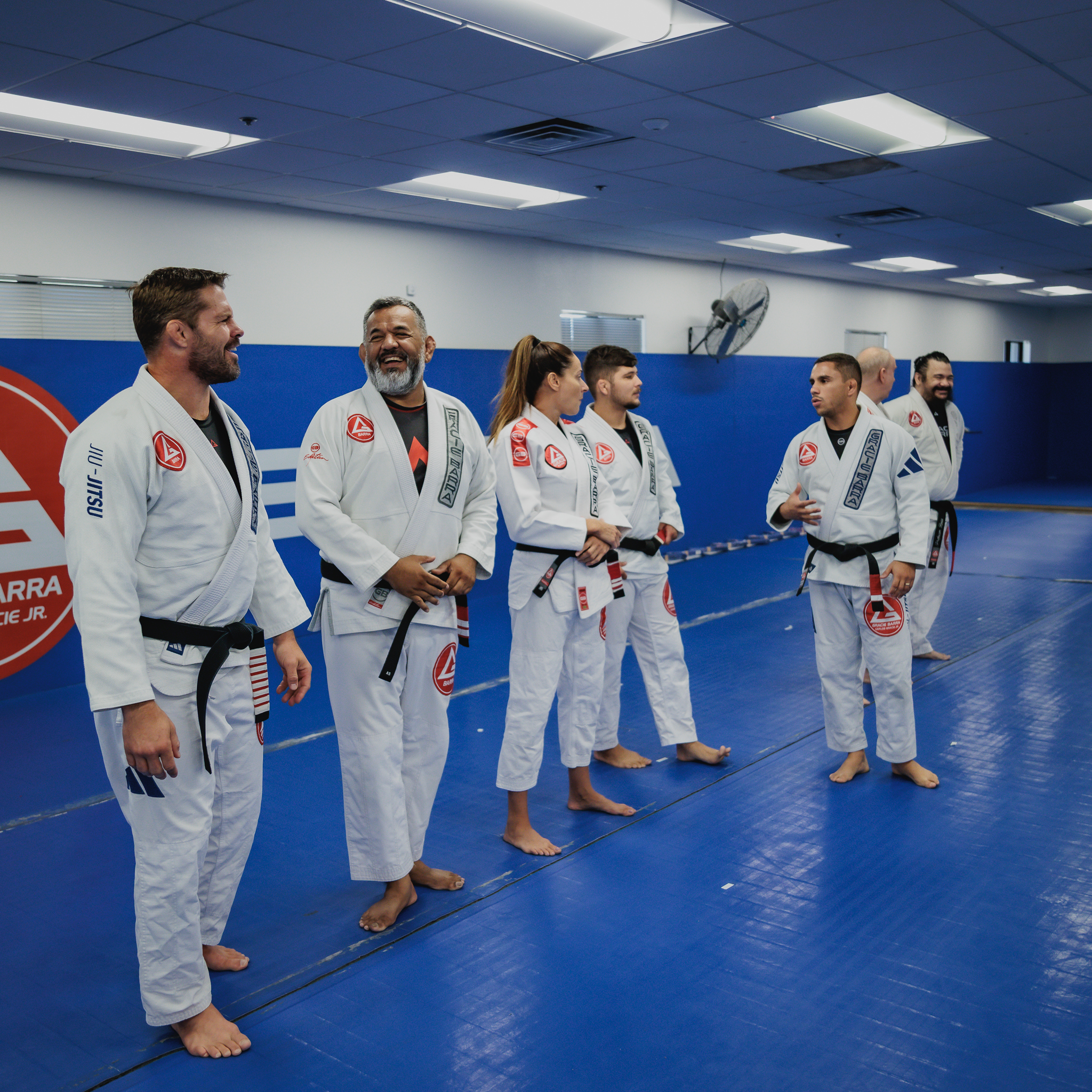
Foundational Principles of Ground Defense
Developing dependable brazilian jiu jitsu guard recovery techniques remains essential for preventing opponents from passing your defensive perimeter on the mat. Dedicated students throughout North Phoenix rely on these fundamental principles to stay composed during challenging ground sparring exchanges.
A resilient bottom game requires methodical mechanical alignment rather than brute muscle power. Training consistently at our official martial arts academy helps practitioners understand how subtle hip movements and structured defensive framing can neutralize aggressive passing attempts effectively.
DISCOVER GRACIE BARRA NORTH PHOENIX
CLICK HEREMechanics of Defensive Framing and Distance Control
Maintaining proper distance prevents an aggressive top player from flattening your shoulders onto the mat surface. Structuring your forearms and knees into reliable protective wedges creates the physical separation necessary to reestablish defensive positioning safely.
Establishing Structural Forearm Barriers
Effective defense begins by placing your forearms across your partner's hip line and collarbone. These natural bone frames absorb forward driving pressure effortlessly without unnecessarily exhausting your upper body muscle groups during long training sessions.
Maintaining solid forearm contact keeps your chest protected while establishing the space required for secondary leg repositioning drills. Instructors emphasize keeping elbows glued tightly against your ribcage to prevent upper body isolation or aggressive underhooks.
Active Hip Mobility and Shrimping Angles
Shrimping creates an angle that removes your hips from underneath the top player's heavy chest pressure. Sliding your pelvis backward allows your lower legs to re-enter the space between both bodies with minimal athletic effort.
Executing explosive yet controlled hip escapes forces your passing opponent to reset their posture repeatedly. Consistent mat repetition ensures that this directional hip escape response becomes an instinctive defensive reaction under stressful sparring pressure.
Knee-to-Elbow Connection Integrity
Connecting your bottom knee to your bottom elbow forms an impenetrable mechanical wedge on the mat. This protective configuration prevents the passing player from sliding their knee across your waistline or securing dominant cross-face control.
Whenever an opponent attempts a fast lateral pass, closing this structural corridor denies them inside territory. Preserving this compact alignment guarantees that your spine stays neutral while preparing your hips for immediate recovery sequences.
Shoulder Walking to Reset Space
When an opponent pins your lower body, moving backward on your shoulders relieves compressive chest pressure. This backward adjustment generates critical fractions of space needed to reactivate your defensive frames before side control locks down.
Coordinating backward shoulder movement with steady bilateral framing prevents your head from getting trapped against the floor. This active positional realignment allows trapped legs to slip free and re-establish dynamic open guard connections quickly.
Core Recovery Pathways Against Common Passes
Different passing strategies demand specific mechanical responses from the bottom player. Recognizing directional pressure early enables practitioners to execute accurate recovery sequences before the top player consolidates top pins or secures dangerous chest-to-chest control.
Countering the Underhook Half Guard Pass
When an opponent secures a deep underhook, flatten their momentum by establishing an immediate wrist frame against their neck. This action stops their forward drive and prevents your far shoulder from touching the training mat.
Simultaneously bridge upward to create space before angling your hips outward to reinsert your butterfly hook. Once the hook enters inside position, elevate the opponent slightly to slide your bottom knee back across their beltline.
Neutralizing the Aggressive Knee Cut Pass
An incoming knee slice threatens immediate side control if your inner framing structure collapses unexpectedly. Immediately post your bottom hand on the passer's incoming knee while keeping your top foot hooked behind their trailing calf muscle.
Pushing the passing knee away while sliding your hips backward creates the required angle for your top leg to swing over their shoulder. This deliberate rotational adjustment redirects their kinetic energy and re-establishes your closed guard.
Rebuilding Control Against the Torreado Pass
Fast dynamic passers often grip pant cuffs to fling your legs laterally across the mat surface. To defeat this movement, avoid tracking their torso with your legs and instead immediately establish bilateral collar or sleeve grips.
Inverting your hips slightly while planting your feet firmly on the passing player's biceps creates immediate mechanical tension. This defensive placement neutralizes their rotational advantage and lets your hips pivot back toward center alignment effortlessly.
Developing Defensive Instincts and Consistency
Mastering reliable brazilian jiu jitsu guard recovery techniques requires developing keen sensitivity to balance shifts and weight distribution. Recognizing the precise microsecond an opponent initiates passing pressure allows you to react proactively rather than purely defensively.
Timing Defensive Frames Before Consolidation
Defensive recovery succeeds or fails based on timing rather than physical speed or raw strength. You must initiate structural framing while your opponent is transitioning between passing angles, never after they achieve static top control.
Anticipating the transition allows you to place frames precisely where the opponent intends to drop their upper body weight. This anticipatory timing exhausts the passing player while keeping your defensive energy reserves intact for tactical counters.
Breathing and Composure Under Static Pressure
Novice practitioners often panic when an opponent drops heavy weight across their chest or sternum. Holding your breath accelerates muscle fatigue and degrades your technical focus, making thoughtful defensive escapes nearly impossible to coordinate accurately.
Maintaining rhythmic diaphragmatic breathing preserves mental composure and relaxes tight muscle tissue under adverse positional pressure. Composed practitioners observe passing openings clearly and deploy their hips at the exact moment the top player redistributes weight.
Solo and Partner Floor Movement Drills
Regular execution of technical floor movements builds the core muscular endurance necessary for effortless recovery mechanics. Repeating bridge variations, hip switches, and technical stand-ups develops the motor memory required for seamless technical performance under fatigue.
Integrating these movement drills into daily practice sessions conditions your body to move fluidly on the mat. Over time, these dedicated drills cultivate an intuitive defensive guard structure that resists even the most aggressive pressure passers.
Essential Practice Guidelines for Students
Executing successful brazilian jiu jitsu guard recovery techniques during intense sparring rounds requires patience, disciplined positioning, and deliberate practice habits. Never rush your recovery attempts by overextending limbs, as uncontrolled movements expose vulnerable joints to immediate submission threats.
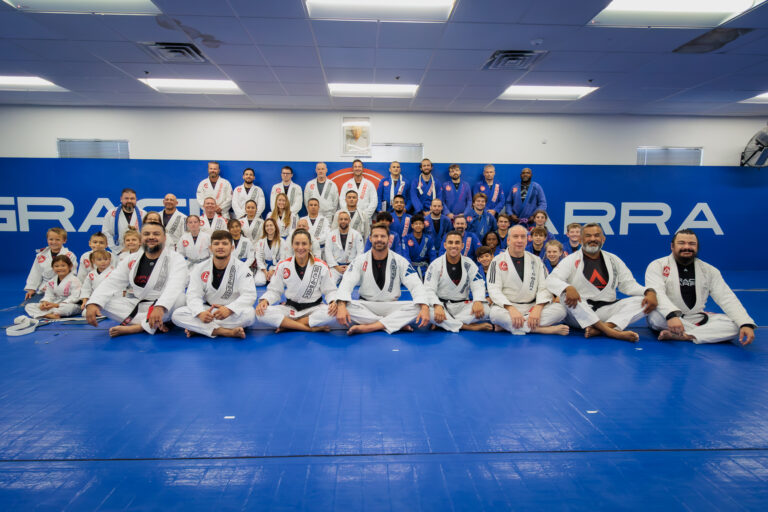
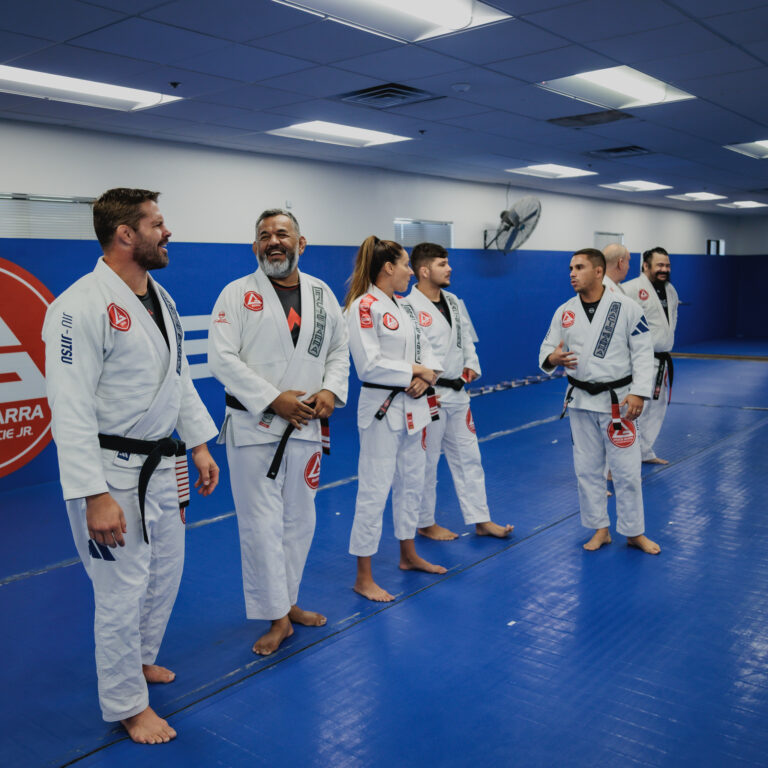
Inside our training environment at Gracie Barra North Phoenix, coaches emphasize safe technical execution and systematic positional sparring. This structured developmental methodology guarantees that every student learns how to navigate complex ground defense situations with confidence.
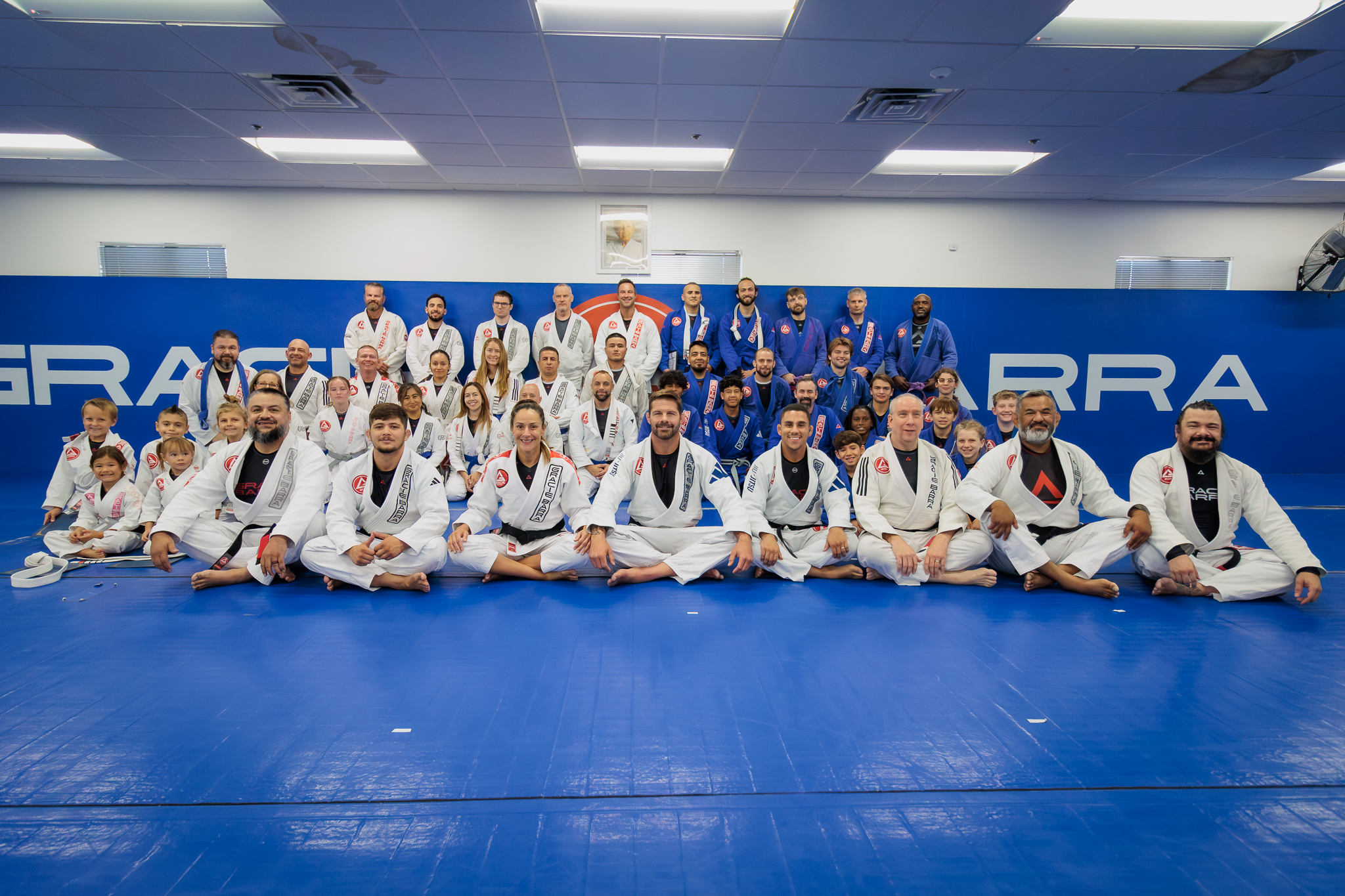
Strengthening Your Foundational Mat Armor
A dependable defensive guard provides immense mental freedom during sparring rounds. When you possess unwavering confidence in your ability to recover your guard against aggressive passing attempts, you can initiate offensive attacks without fearing counter-attacks.
Developing this technical confidence requires consistent exposure to varied passing styles across all belt levels. Students looking to refine their technical understanding further can browse our educational articles archive for comprehensive conceptual guides on martial arts development and conditioning principles.
DISCOVER GRACIE BARRA NORTH PHOENIX
CLICK HEREAdvancing Your Ground Defense Capabilities
Refining foundational brazilian jiu jitsu guard recovery techniques transforms your overall ground performance, ensuring your guard remains dangerous and difficult to pass. Practitioners across North Phoenix and neighboring communities discover that consistent technical practice creates genuine defensive mastery.
We welcome dedicated martial artists and beginners from Phoenix, Glendale, and surrounding areas to visit Gracie Barra North Phoenix. Experience our structured training programs firsthand and build an impenetrable defensive foundation under certified instruction.